

COMPANY:
Stanwell Corporation

High‑temperature inflatable isolation barrier for coal pulveriser maintenance

Every isolation problem is unique. Giant Inflatables Industrial engineers custom inflatable isolation systems to suit the asset, geometry, access restrictions, temperature requirements and operational hazards involved.
Giant Inflatables Industrial’s Isolation Barrier Provides a Safe Working Environment At Tarong Power Station

Back Ground

Stanwell Corporation Limited Logo
COMPANY:
Stanwell Corporation
LOCATION:
Queensland, Australia

During a scheduled maintenance outage at Tarong Power Station, maintenance crews needed to replace internal liners and outlet nozzles within a coal pulveriser system. The work area was connected to an upstream duct carrying hot primary air, posing a thermal hazard to personnel working inside the pulveriser during shutdown activities.

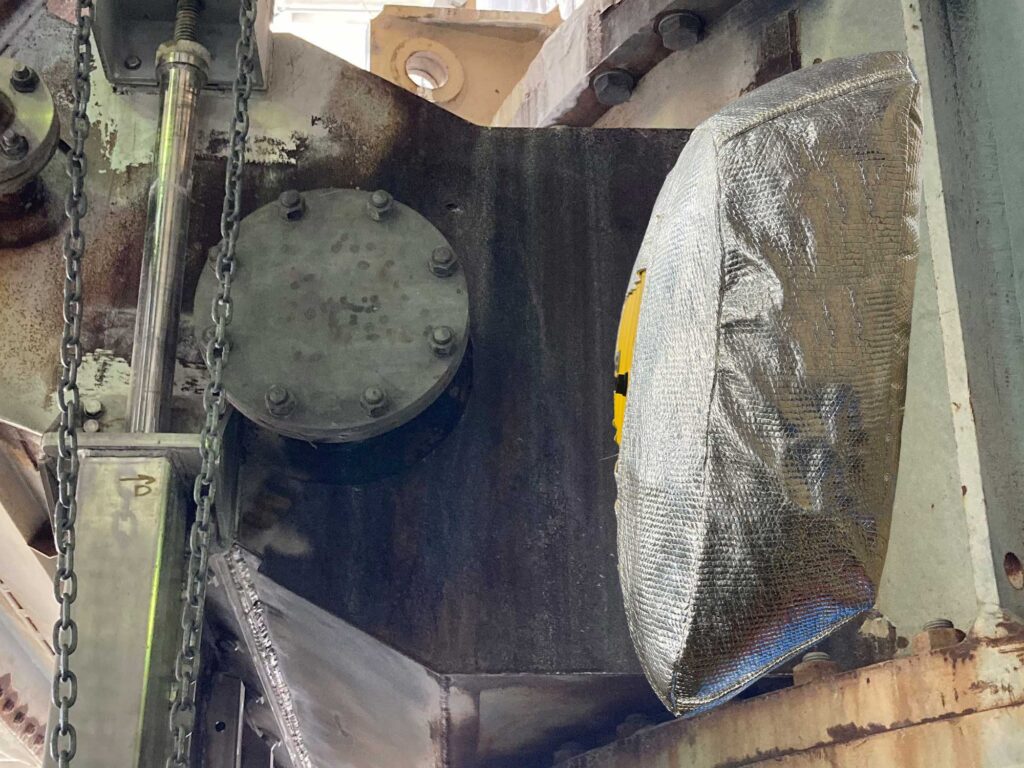
The existing isolation method relied on an upstream louvre-type damper. In theory, the upstream damper acts as a first line of defence against elevated temperatures, but in practice, it did not always fully seal, allowing hot air to continue leaking into the maintenance area and resulting in temperatures of around 220°C at the work front. This leakage compromised worker comfort, increased WHS risk, and limited the duration of safe entry into the space.

Problem and Constraints

The key problem was how to temporarily isolate the work area from hot air ingress while:

1. Maintaining a reliable seal under elevated temperature conditions.
2. Working within the constraints of the existing duct geometry and access.

Several constraints made conventional isolation methods unsuitable:

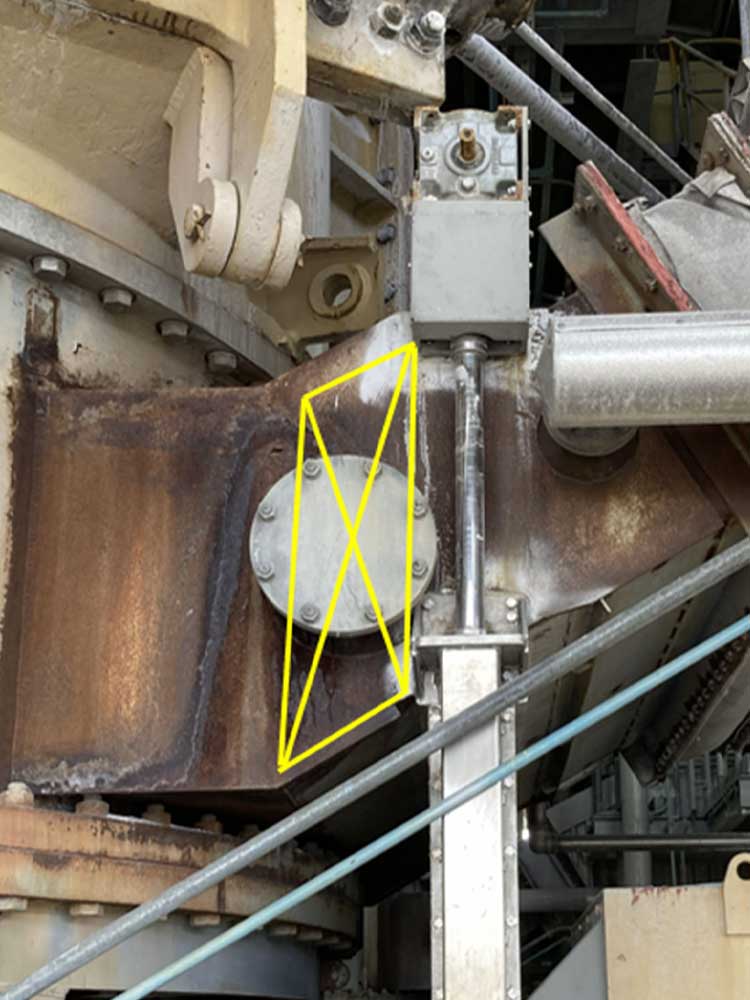
Duct geometry: The cross-section of the duct was a parallelogram rather than a standard circular or rectangular profile. This made off‑the‑shelf inflatable plugs and simple mechanical blanking solutions unreliable, as they could not seat evenly and risked displacement into the adjacent plenum chamber under pressure.

Restricted access: Installation access was limited to an opening of approximately 170 mm. Any isolation device had to be able to pass through this opening in a compact state and then expand into its working shape once in position.

Thermal environment: The isolation device needed to tolerate elevated temperatures. The upstream duct temperatures were high enough that conventional inflatable materials without thermal protection risked degradation or failure.

The objective was to design a temporary isolation solution that could be safely installed via the available access, conform to the unusual duct profile, withstand high temperatures, and provide a robust seal during the maintenance window.

Proposed solution

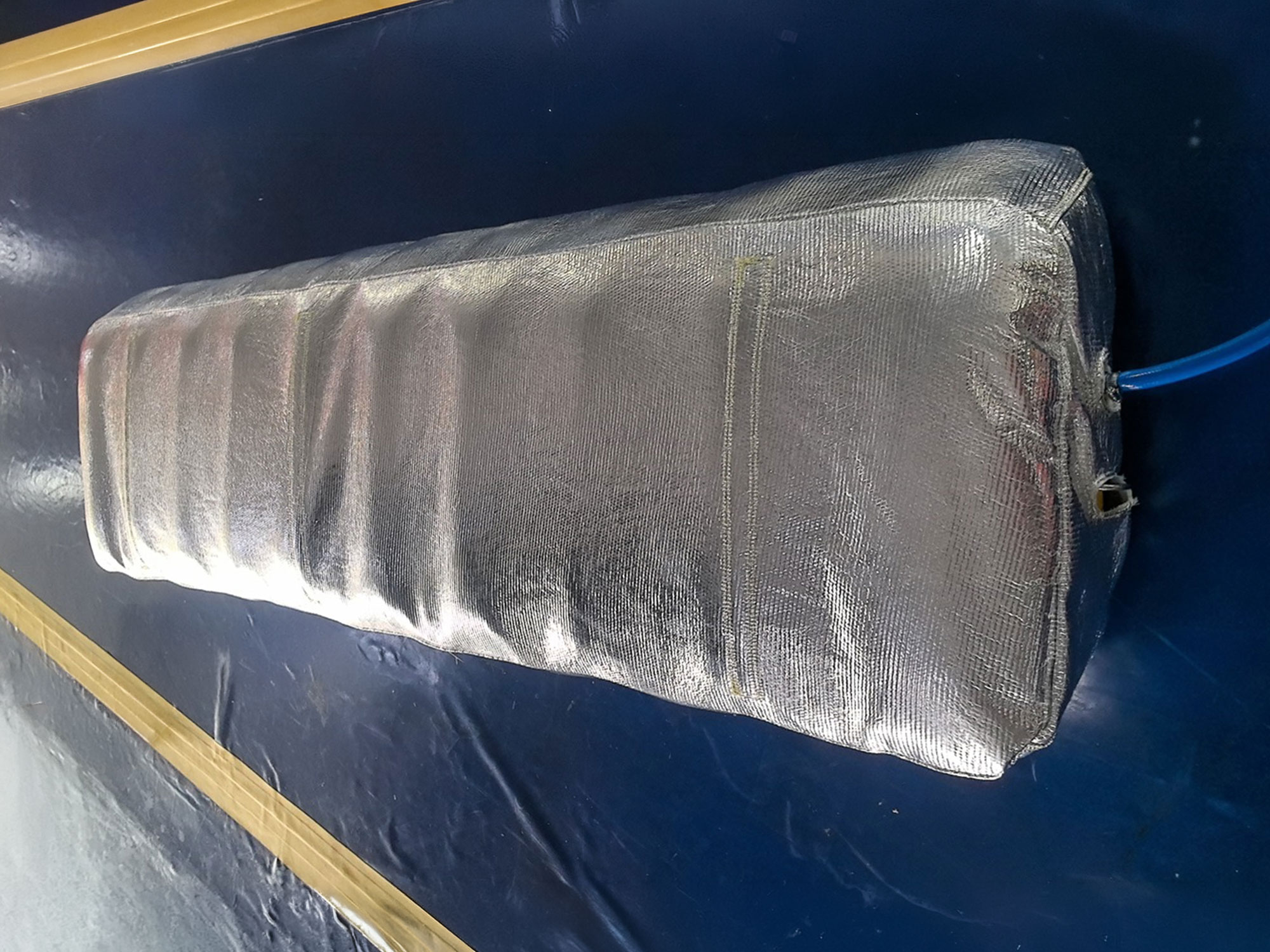
The selected approach was to design and fabricate a custom inflatable isolation barrier specifically tailored to the parallelogram-shaped duct at Tarong Power Station.

Key design features

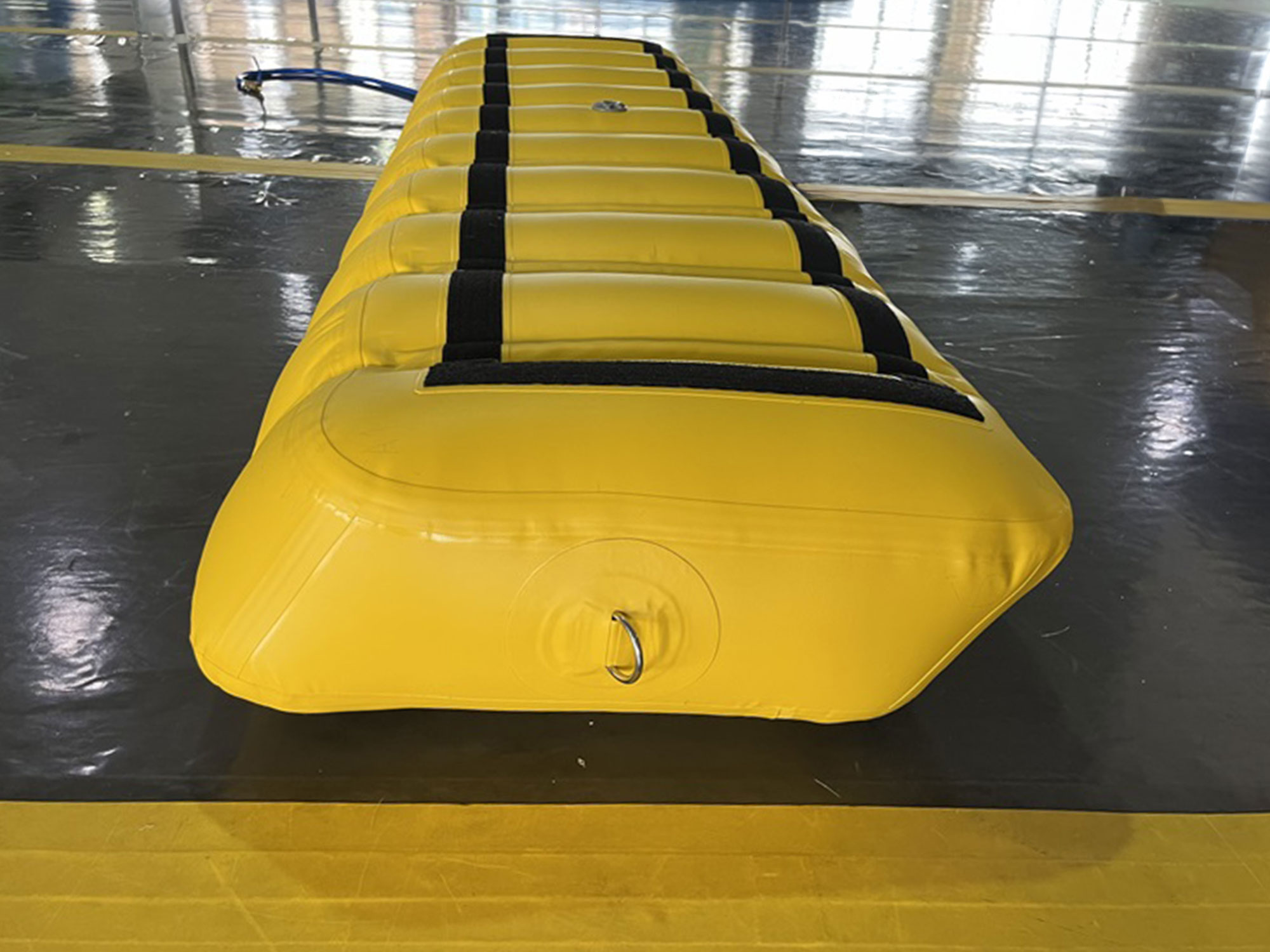
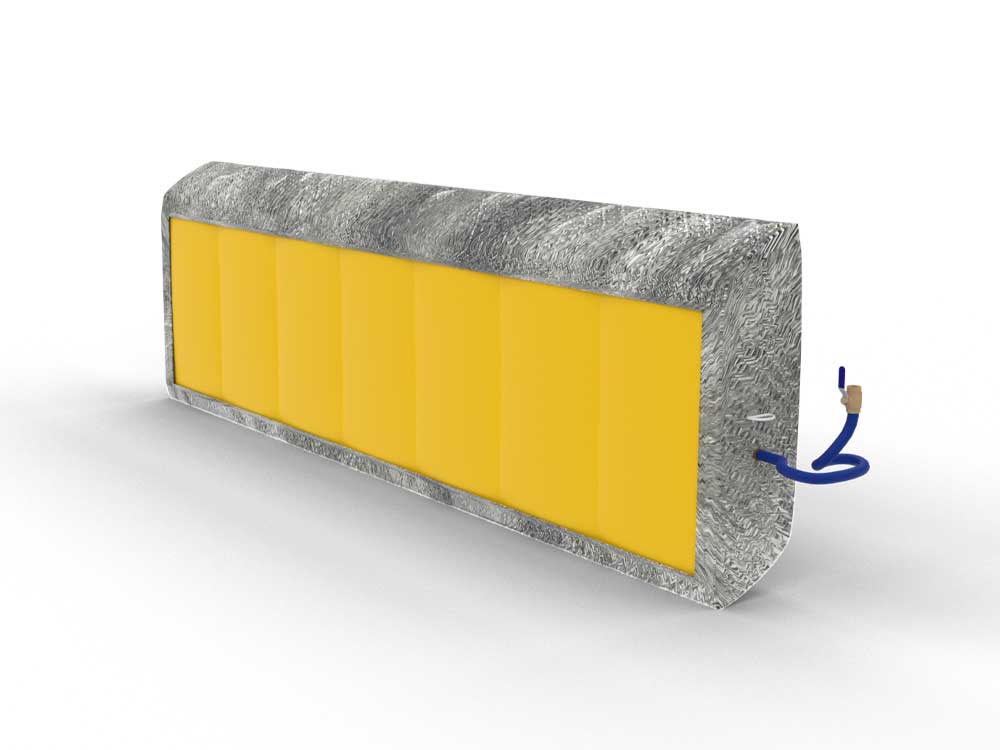
Geometry-matched inflatable barrier: The barrier was manufactured to match the parallelogram cross-section of the duct, allowing it to seat firmly against all four sides and maintain its position under load.

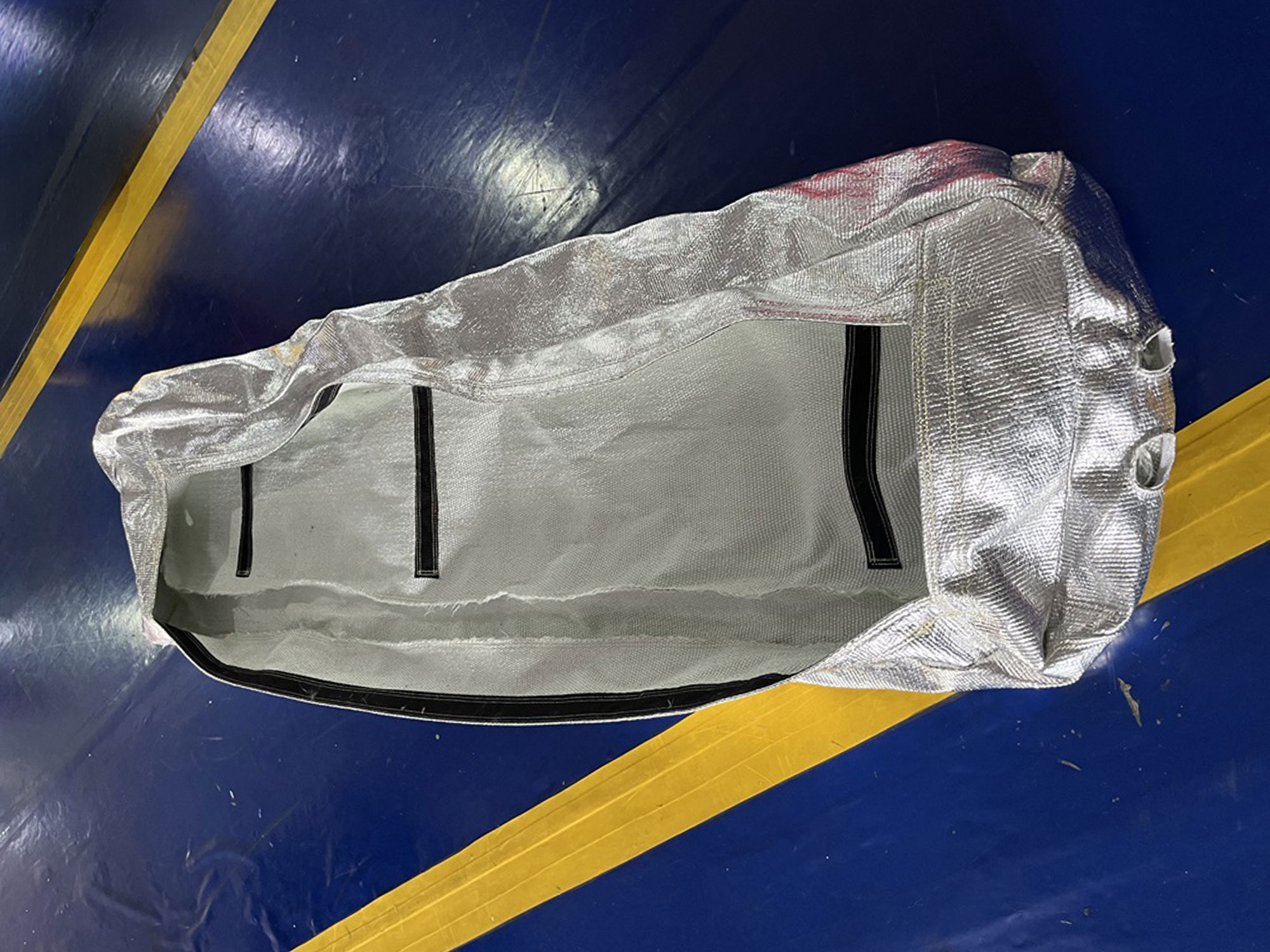
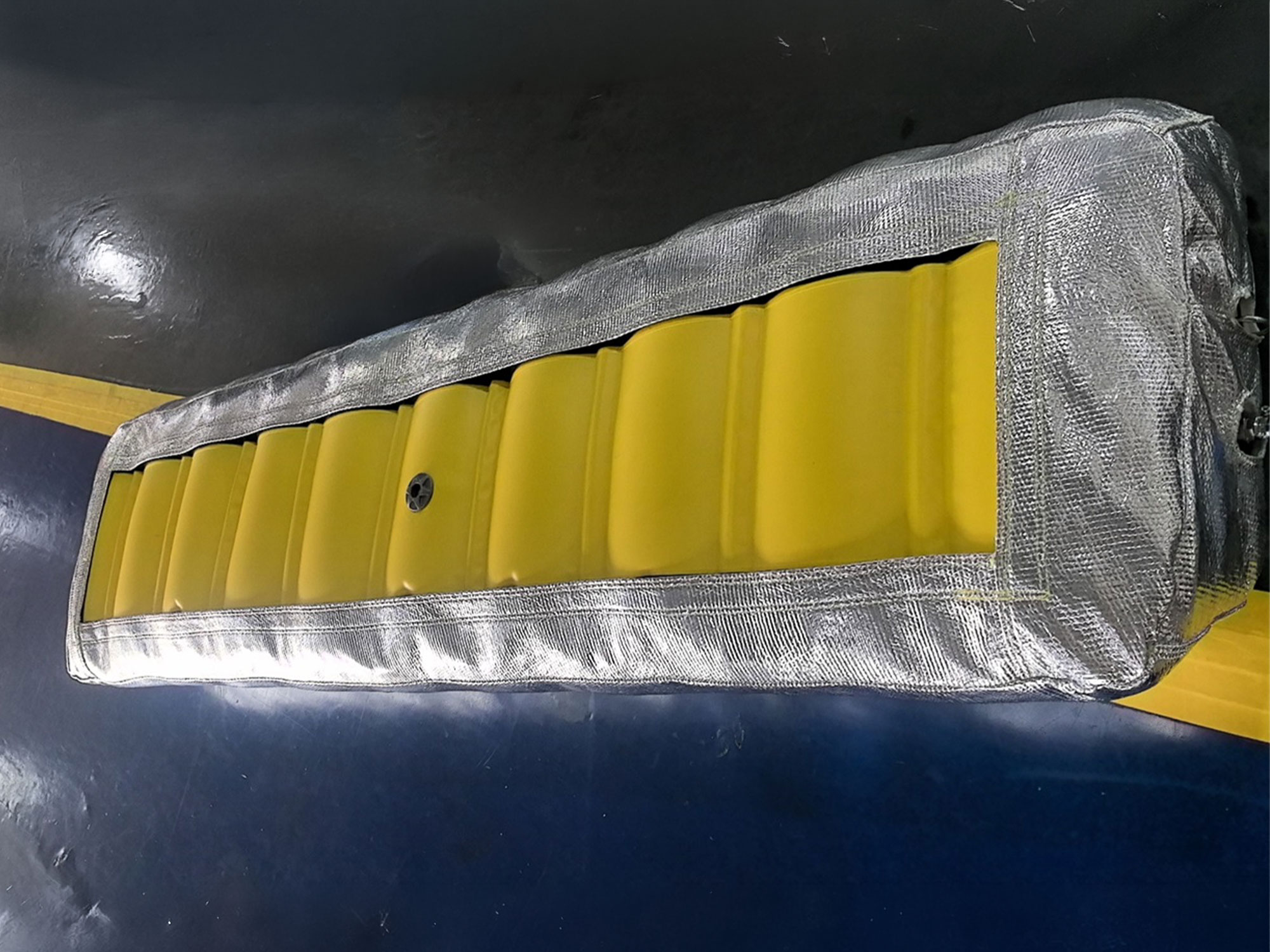
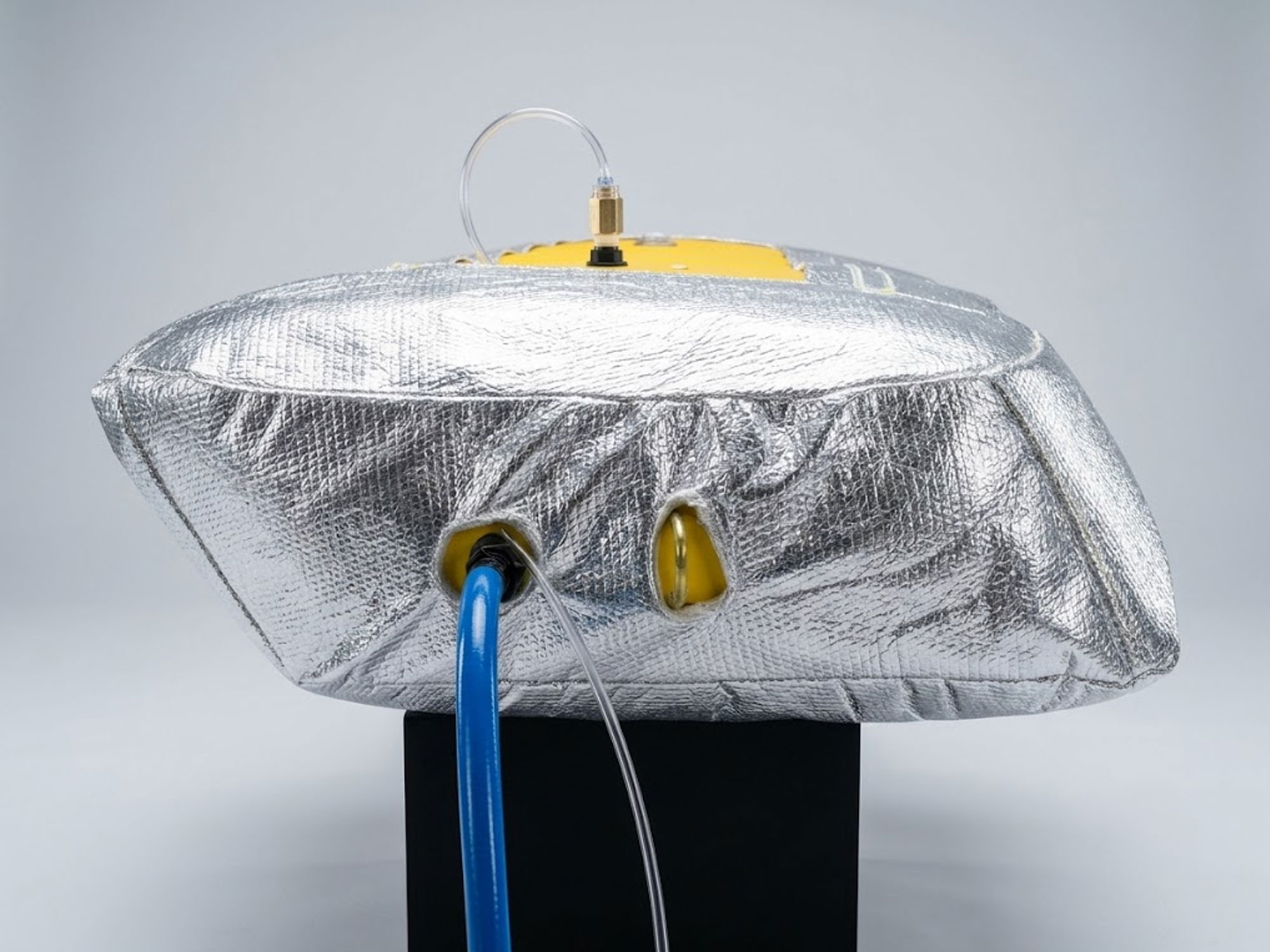
High-temperature outer shield: The external surface incorporated a fibreglass–aluminium laminate heat shield rated to approximately 180°C, providing protection against radiated and convected heat from the duct environment.

Internal inflatable bladder: An internal bladder made from fire-retardant PVC‑coated polyester fabric provided the inflation capability and sealing pressure against the duct walls.

Installation and retrieval features: Stainless steel D‑rings and attachment points were integrated into the design to facilitate controlled deployment, positioning, and extraction through the limited-access opening.

The barrier was designed to be introduced into the duct in a folded, compact form, then inflated once in position to expand into full contact with the duct walls and establish an effective seal.

Key learnings and points for future application

Custom geometry is often essential where duct profiles deviate from standard shapes, and relying on generic plugs can be unsafe or ineffective.

Designing for access (e.g., allowing the barrier to be introduced and removed through a small opening) is as important as the sealing function itself.

Integrating thermal protection and fire‑retardant materials into inflatable devices enables their use with confidence in elevated-temperature environments.

This case demonstrates a practical approach to temporary isolation in challenging duct geometries and can serve as a reference model for assessing similar high‑temperature isolation problems in other industrial plants.

A closer look

Your partner
in industrial inflatables

Inflatable Autoclave Isolation Barriers

Need information off-line?
Download a PDF for your records in two steps.

Need more information?
Contact us. We would love to be apart of your solution.